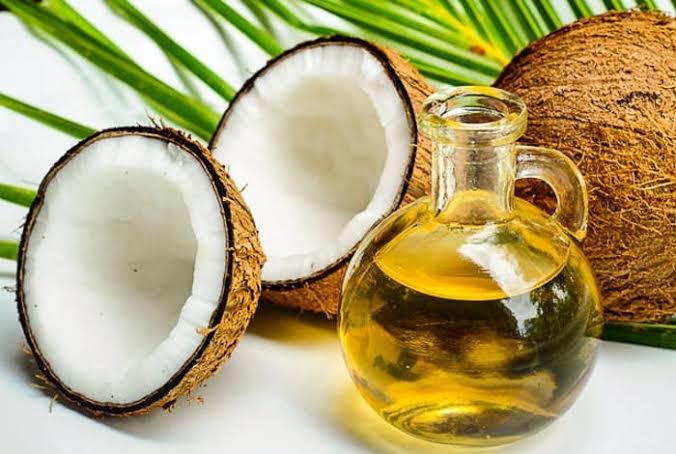
Coconut oil is a versatile lauric oil extracted from the kernel of mature coconuts (Cocos nucifera). Its high saturated-fat content, rapid melting behaviour, oxidative stability, and strong saponification value make it valuable across food manufacturing, personal care, oleochemicals, detergents, and specialty-fat applications.
For industrial buyers, coconut oil is not a single commodity. The appropriate grade depends on whether the application requires a neutral-tasting edible oil, a natural aromatic oil, a stable confectionery fat, or a feedstock for soaps, surfactants, and fatty derivatives. This guide explains the main types of coconut oil, their technical properties, and the industrial applications where each grade performs best.
What Is Coconut Oil?
Coconut oil is obtained from the dried kernel, or copra, or from fresh coconut kernel. It is predominantly composed of triglycerides, with saturated fatty acids accounting for roughly 90% or more of total fatty acids. Lauric acid (C12:0) is the dominant fatty acid, typically around 45–50%, followed by myristic acid, caprylic acid, capric acid, palmitic acid, and smaller quantities of oleic and linoleic acids.
Because of its high lauric-acid content, coconut oil is classified as a lauric oil. This classification matters commercially: lauric oils produce hard, quick-lathering soap and are important raw materials for medium-chain fatty acids, fatty alcohols, methyl esters, and other oleochemical derivatives.
At ambient temperatures below approximately 23–25°C, coconut oil is generally white to pale yellow and solid or semi-solid. It melts into a clear oil as temperature rises, which makes it useful in confectionery, bakery fats, margarine, and products requiring a clean melting profile.
Main Types of Coconut Oil
The two principal commercial edible categories are refined coconut oil and virgin coconut oil. Crude coconut oil is also an important industrial intermediate, particularly for refiners and oleochemical processors.
| Type | Typical production route | Sensory profile | Primary buyer applications |
| RBD coconut oil | Copra-derived crude oil is refined, bleached, and deodorised | Neutral colour, odour, and taste | Food processing, bakery, confectionery, margarine, cosmetics |
| Virgin coconut oil (VCO) | Mechanical or natural processing of fresh mature kernel; no chemical refining, bleaching, or deodorising | Clear oil with natural coconut aroma | Premium food, supplements, personal care, specialty cosmetics |
| Crude coconut oil (CNO) | Mechanical pressing of copra; minimal initial processing | Retains natural colour, aroma, and impurities | Refining feedstock, oleochemicals, industrial processing |
| Hydrogenated coconut oil | Partial or full hydrogenation to raise melting point | Firmer texture and higher thermal stability | Shortening, margarine, specialty fats, confectionery |
| Fractionated coconut oil / MCT oil | Separation of medium-chain triglycerides, commonly caprylic and capric fractions | Liquid at room temperature | Personal care, nutritional products, pharmaceutical excipients |
RBD Coconut Oil
RBD stands for refined, bleached, and deodorised. It is produced by processing crude coconut oil to remove free fatty acids, pigments, unwanted flavours, and odours. The result is a consistent, neutral oil suitable for applications where the coconut character would interfere with the finished product.
RBD coconut oil is widely used in frying, baking, margarine, shortening, filled milk, ice cream, confectionery, and chocolate-related applications. Its neutral sensory profile and solidification behaviour make it especially useful where product consistency, shelf life, and clean flavour are required.
For buyers, RBD coconut oil is often the preferred grade for large-scale food manufacturing because refining improves batch-to-batch consistency and supports controlled quality specifications.
Virgin Coconut Oil
Virgin coconut oil is produced from fresh, mature coconut kernel using mechanical or natural methods, without chemical refining, bleaching, or deodorising. It retains a natural coconut aroma and is typically water-clear, sediment-free, and free from rancid odour or taste.
VCO is commonly selected for premium food, dietary supplement, personal-care, and cosmetic applications. It is also used as a carrier oil in topical formulations, where its natural sensory character and emollient properties are valued.
Quality-focused buyers should review free fatty acid, moisture, peroxide value, microbiological limits, and process documentation. The Philippine National Standard for VCO, for example, specifies maximum free fatty acid of 0.20% expressed as lauric acid, maximum moisture of 0.10%, and maximum peroxide value of 3.0 meq/kg oil.
Crude Coconut Oil
Crude coconut oil is mechanically pressed from copra and is not fully refined. It may retain natural colour, aroma, and minor impurities, making it more suitable as a refining feedstock or industrial raw material than as a direct-use premium edible oil.
For oleochemical manufacturers, crude coconut oil can be a cost-efficient input for fatty-acid separation, soap production, and downstream derivative manufacturing. However, buyers should specify free fatty acid content, moisture, impurity levels, colour, and contamination controls before contracting.
Hydrogenated and Fractionated Coconut Oil
Hydrogenation increases the melting point and firmness of coconut oil, making it useful in shortenings, margarines, and bakery fats. Fractionation separates triglyceride fractions with different melting profiles, enabling manufacturers to tailor fats for confectionery coatings, fillings, and specialty-fat systems.
Fractionated products, including medium-chain triglyceride oils, are commonly used in personal-care and nutritional formulations. Buyers should distinguish carefully between naturally derived coconut oil and highly processed specialty fractions, since their specifications, regulatory positioning, and application performance differ substantially.
Key Properties of Coconut Oil
Coconut oil’s commercial value comes from a combination of fatty-acid composition, melting behaviour, oxidative stability, and reactivity in saponification.
Fatty-Acid Composition
Coconut oil contains a high proportion of medium-chain fatty acids. Typical ranges include caprylic acid (C8:0) at 4–10%, capric acid (C10:0) at 4–8%, lauric acid (C12:0) at 45–56%, and myristic acid (C14:0) at 16–21%.
| Fatty acid | Carbon chain | Typical share | Industrial relevance |
| Caprylic acid | C8:0 | 4–10% | MCT derivatives, esters, surfactants |
| Capric acid | C10:0 | 4–8% | MCT derivatives, esters, lubricants |
| Lauric acid | C12:0 | 45–56% | Soap hardness, lather, fatty alcohols |
| Myristic acid | C14:0 | 16–21% | Soap, cosmetics, surfactants |
| Palmitic acid | C16:0 | 7.5–10.2% | Structure and stability in fats |
| Oleic acid | C18:1 | 4.5–10% | Liquid fraction and oxidative behaviour |
| Linoleic acid | C18:2 | 0.7–2.5% | Low polyunsaturated content |
These figures are consistent with Codex Alimentarius ranges for coconut oil and with widely referenced VCO specifications.
Melting Behaviour and Texture
Coconut oil melts at approximately 23°C. This relatively low melting point creates a sharp transition from solid to liquid, which is useful in confectionery, coatings, spreads, and bakery applications where a clean melt is desirable.
In tropical climates, buyers should consider storage temperature, transport conditions, and packaging design. Oil that remains liquid during shipment may require different handling procedures from oil that solidifies in cooler markets.
Oxidative Stability
With more than 90% saturated fatty acids, coconut oil is relatively resistant to oxidation compared with oils high in polyunsaturated fatty acids. This contributes to longer shelf-life potential and makes it attractive for products that must remain stable during storage and distribution.
However, stability is not a substitute for quality control. Exposure to oxygen, heat, light, moisture, and metal contamination can still degrade oil quality. Buyers should assess peroxide value, free fatty acid value, moisture, colour, and sensory attributes according to the intended application.
Saponification and Foam Performance
Coconut oil has a high saponification value and is readily saponified by alkalis. This is one reason it has long been a foundational raw material for hard soaps with strong cleansing and lathering characteristics.
In detergent and personal-care manufacturing, coconut-derived fatty acids and alcohols support the production of surfactants, shampoos, shower gels, and biodegradable cleaning formulations.
Food and Beverage Applications
Coconut oil is used both as a direct ingredient and as a functional fat system in processed foods.
- Bakery and confectionery: RBD coconut oil provides structure, mouthfeel, and a clean melting profile in biscuits, cakes, fillings, coatings, and chocolate-type products.
- Margarine and shortening: Hydrogenated or fractionated coconut oil can contribute firmness and stability to spreads and baking fats.
- Dairy alternatives and filled dairy products: Coconut oil is used in ice cream, filled milk, and filled cheese applications, where it can replace part of the butterfat while maintaining palatability.
- Cooking oil and culinary products: RBD coconut oil is used where a neutral taste is required; virgin coconut oil is selected when a natural coconut aroma is part of the product proposition.
- Nutritional and infant-food applications: Coconut oil has historically been used as a fat source in selected infant-food and clinical-nutrition formulations, although final use depends on the complete formulation and applicable regulatory requirements.
Industrial frying is a more specialised use. Coconut oil’s relatively low smoke point—approximately 177°C for virgin oil and 204°C for refined oil—means it is not always the optimal choice for high-temperature continuous frying compared with oils specifically designed for that purpose.
Personal Care and Cosmetic Applications
Coconut oil is widely used in skin care, hair care, and cosmetic formulations because it functions as an emollient, carrier oil, and structuring ingredient. It helps soften and hydrate skin and is used in lotions, creams, moisturisers, shampoos, conditioners, and hair treatments.
For formulators, the choice between RBD coconut oil and VCO is largely driven by scent, colour, oxidative stability, regulatory positioning, and brand positioning. RBD oil offers a neutral base for fragrance-led products, while VCO may support natural or coconut-forward positioning.
Coconut-derived ingredients also extend beyond the oil itself. Lauric acid, myristic acid, fatty alcohols, and esters derived from coconut oil are used in surfactants, emulsifiers, and other personal-care inputs.
Industrial and Oleochemical Applications
Beyond food and cosmetics, coconut oil is an important feedstock in oleochemical manufacturing.
Soaps and Detergents
Coconut oil is a key raw material for laundry and bath soaps. Its fatty-acid profile supports soap hardness, cleansing performance, and lather. It is also used in coconut-based chemicals for biodegradable detergents, shampoos, shower gels, and other cleaning products.
Fatty Acids and Derivatives
Coconut oil can be split into fatty acids and glycerol, then converted into fatty alcohols, methyl esters, and other derivatives. These intermediates are used in detergents, surfactants, lubricants, plastics, resins, and plasticisers.
Lubricants and Bio-Based Materials
Coconut oil and its derivatives are used in lubricants, greases, and selected bio-based material applications. While they are not universal replacements for petroleum-based inputs, they can serve as renewable feedstocks in specific formulations where performance, compatibility, and sustainability objectives align.
What International Buyers Should Specify
A reliable coconut oil supply agreement should go beyond product name and price. Buyers should align specifications with the end application, regulatory market, and processing capability of the supplier.
Key specification areas include:
- Grade and processing route: RBD, VCO, crude, hydrogenated, or fractionated coconut oil.
- Fatty-acid profile: Particularly lauric, myristic, caprylic, and capric acid content.
- Free fatty acid and acid value: Critical indicators of hydrolytic quality and refining requirements.
- Moisture and volatile matter: Important for storage stability and processing performance.
- Peroxide value and oxidation indicators: Relevant to shelf life and sensory quality.
- Colour, odour, and taste: Especially important for food, cosmetics, and premium VCO.
- Impurities, metals, and contaminants: Should comply with the applicable food, cosmetic, or industrial standard.
- Packaging and logistics: Flexitank, ISO tank, drum, IBC, or retail-ready packaging options.
- Documentation: Certificate of analysis, halal or kosher documentation where required, food-safety certifications, origin documentation, and export paperwork.
Codex standards provide useful benchmark limits for refined and virgin oils, including maximum insoluble impurities of 0.05% m/m, maximum acid value of 0.6 mg KOH/g for refined oils, and maximum peroxide value of 10 meq active oxygen/kg for refined oils.
Indonesia’s Role in Coconut Oil Supply
Indonesia is a major coconut-producing country and an established source of coconut oil, copra, coconut fatty acid distillate, and coconut-based derivatives. Its supply chain combines coconut cultivation, copra processing, crushing, refining, fractionation, packaging, and export logistics.
PT Bonanza Megah is an established Indonesian coconut oil manufacturer with a history dating back to 1972. The company supplies RBD coconut oil, crude coconut oil, coconut fatty acid distillate, vegetable fats, and copra meal powder to food manufacturers, industrial customers, and distributors in international markets.
For procurement teams, an Indonesian manufacturer with integrated refining and processing capability can offer advantages in raw-material access, production scale, export documentation, and customised fat solutions. Bonanza Megah’s product portfolio includes coconut-based oils and palm-based specialty fats for global food and industrial applications.
Frequently Asked Questions
What is the difference between RBD coconut oil and virgin coconut oil?
RBD coconut oil is refined, bleached, and deodorised, producing a neutral colour, odour, and taste. Virgin coconut oil is made from fresh coconut kernel without chemical refining, bleaching, or deodorising, so it retains a natural coconut aroma and sensory profile.
Is coconut oil suitable for industrial frying?
It can be used in some frying applications, but it is not always the best choice for high-temperature industrial frying. Coconut oil’s relatively low smoke point—about 204°C for refined oil—means buyers should validate performance against their frying temperature, oil turnover, and product requirements.
Why is coconut oil called a lauric oil?
Coconut oil is called a lauric oil because lauric acid (C12:0) is its dominant fatty acid, typically representing around 45–50% of total fatty acids.
Which coconut oil grade is best for soap manufacturing?
Crude coconut oil, RBD coconut oil, and coconut-derived fatty acids can all be used depending on the formulation and refining capability of the producer. Coconut oil is valued in soap because it supports hardness, lather, and cleansing performance.
What should buyers request from a coconut oil supplier?
Buyers should request a detailed specification sheet, certificate of analysis, fatty-acid profile, free fatty acid value, moisture content, peroxide value, colour, packaging details, certifications, and export documentation. The exact requirements should match the intended food, cosmetic, or industrial application.
Can coconut oil be used in cosmetics?
Yes. Coconut oil is used as an emollient and carrier oil in skin-care, hair-care, and cosmetic products. RBD coconut oil is often chosen for neutral formulations, while virgin coconut oil may be selected for natural or coconut-aroma positioning.
Conclusion
Coconut oil is more than a cooking ingredient. Its lauric-acid-rich composition, oxidative stability, melting behaviour, and saponification characteristics make it a strategic raw material for food manufacturers, personal-care brands, detergent producers, and oleochemical processors.
Selecting the right grade—RBD, virgin, crude, hydrogenated, or fractionated—depends on the required sensory profile, technical performance, regulatory context, and total cost of ownership. For international buyers, clear specifications and a dependable manufacturing partner are essential to achieving consistent quality at scale.
Looking for a reliable coconut oil manufacturer and supplier from Indonesia? Contact PT Bonanza Megah to discuss your product requirements and bulk supply inquiries.